
Hey there! As a supplier of engine intake valves, I've been getting a lot of questions lately about the relationship between engine intake valves and valve guides. So, I thought I'd take a moment to break it down for you.
Let's start with the basics. The engine intake valve is a crucial component in an internal combustion engine. Its main job is to let the air-fuel mixture into the combustion chamber at the right time. When the piston moves down during the intake stroke, the intake valve opens, allowing the fresh mixture to enter. Once the intake stroke is complete, the valve closes to seal the chamber for the compression and power strokes.
Now, the valve guide is like a little sleeve that the intake valve sits in. It's usually made of a material that can withstand high temperatures and wear, like bronze or cast iron. The valve guide serves several important functions. First off, it guides the valve as it moves up and down. This ensures that the valve opens and closes in a straight line, which is super important for proper engine performance. If the valve doesn't move smoothly, it can lead to all sorts of problems, like poor sealing, reduced power, and increased emissions.
Another key role of the valve guide is to help with heat transfer. The intake valve gets really hot during operation, and the valve guide helps to transfer that heat away from the valve and into the engine block. This helps to keep the valve at a safe operating temperature and prevents it from overheating and warping.
The relationship between the intake valve and the valve guide is a bit like a dance. They need to work together in perfect harmony. The valve guide provides the support and guidance that the valve needs to do its job effectively. And the valve, in turn, relies on the guide to keep it in the right position and to help manage the heat.
If the valve guide wears out or gets damaged, it can cause a whole host of issues. For example, if the guide becomes too loose, the valve may start to wobble as it moves up and down. This can lead to uneven wear on the valve and the valve seat, which can cause poor sealing and reduced engine performance. On the other hand, if the guide is too tight, it can restrict the movement of the valve, which can also lead to problems.
So, as an engine intake valve supplier, we understand how important it is to have high-quality valve guides that are properly matched to the intake valves. That's why we work closely with our customers to ensure that they get the right combination of valves and guides for their engines.
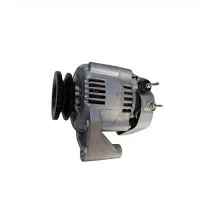
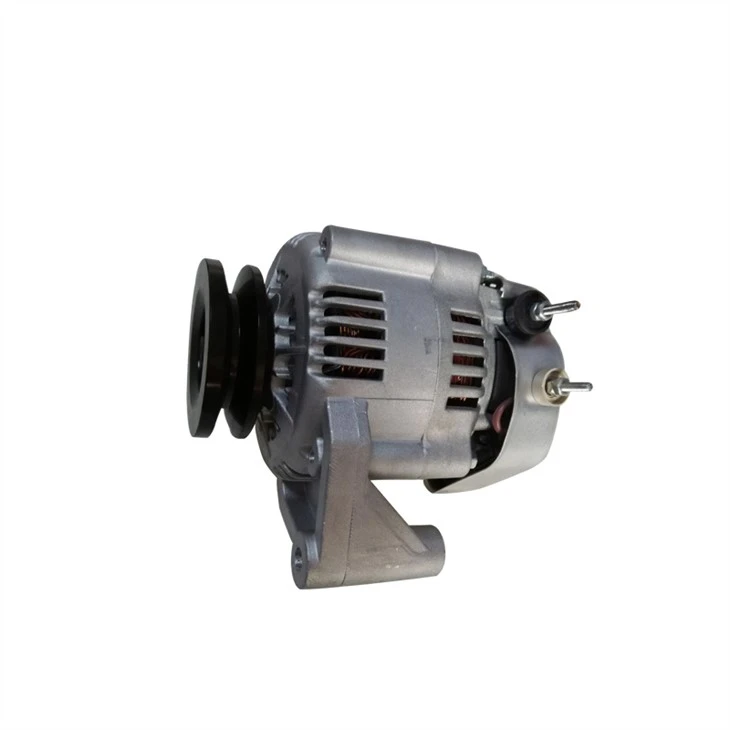
Now, let's talk a bit about some of the products that are related to engine components. If you're looking for parts for a Deutz FL511 air-cooled engine, you might be interested in the Deutz FL511 Air Cooled Engine Alternator. This alternator is an essential part of the engine's electrical system, providing power to the battery and other electrical components.
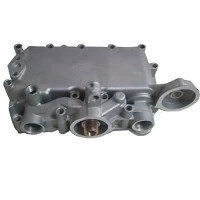
Another important part for the Deutz F1L511 engine is the F1L511 Air Cooled Engine Front Cover Assembly. This assembly helps to protect the engine's internal components and also plays a role in the engine's cooling system.
And if you need a high-pressure oil pump for your Deutz F1L511 single-cylinder engine, check out the 02233725 Deutz F1L511 Single cylinder 511 high pressure oil pump Injection Pump. This pump is responsible for delivering the right amount of fuel to the engine at the right pressure.

In conclusion, the relationship between engine intake valves and valve guides is crucial for the proper functioning of an internal combustion engine. They work together to ensure that the engine runs smoothly, efficiently, and reliably. If you're in the market for high-quality engine intake valves or related components, don't hesitate to reach out. We're here to help you find the right parts for your engine and to ensure that you get the best performance possible. Whether you're a mechanic, a hobbyist, or a large-scale engine manufacturer, we've got the expertise and the products to meet your needs. So, let's start a conversation and see how we can work together to keep your engines running at their best!
References:
- Automotive Engineering textbooks on engine components and operation
- Technical manuals from engine manufacturers like Deutz