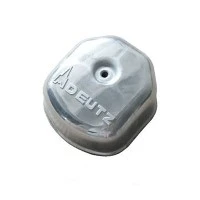

Hey there! As a supplier of FL912 Piston Pins, I've been in the thick of the engine parts game for quite a while. And let me tell you, the differences between different models of FL912 Piston Pins are pretty significant. In this blog, I'll break down those differences and give you the lowdown on what makes each model unique.
Material and Manufacturing Process
First off, let's talk about the materials used in different models. Some FL912 Piston Pins are made from high - carbon steel. This type of steel is known for its strength and durability. It can withstand high levels of stress and heat, which is crucial in an engine environment. The manufacturing process for these pins often involves precision forging. This process shapes the steel into the right form while also enhancing its internal structure, making it even stronger.
On the other hand, there are models made from alloy steel. Alloy steel pins have a mix of different elements like chromium, nickel, and molybdenum. These additional elements give the pins enhanced properties such as better wear resistance and improved fatigue strength. The manufacturing of alloy steel pins might include processes like heat treatment, which further refines the material's properties.
Dimensions and Fit
The dimensions of FL912 Piston Pins can vary from one model to another. The diameter of the pin is a critical factor. A slightly larger or smaller diameter can affect how well the pin fits into the piston and the connecting rod. Some models are designed with a standard diameter that is widely used in most FL912 engines. However, there are also custom - sized pins available for specific engine modifications or applications.
The length of the piston pin is another important dimension. A longer pin might be used in engines where there is more space or where additional support is needed. Conversely, a shorter pin can be used to reduce weight or to fit into a more compact engine design.
Surface Finish
The surface finish of the piston pin can also differ between models. A smooth surface finish is essential for reducing friction between the pin and the piston and connecting rod. Some models have a highly polished surface, which not only reduces friction but also helps in distributing lubricants evenly.
Other models might have a special coating on the surface. For example, a nitrided coating can increase the hardness and wear resistance of the pin. This is especially useful in high - performance engines where the pin is subjected to extreme conditions.
Performance and Application
Different models of FL912 Piston Pins are designed for different performance levels and applications. For standard, everyday engines, a basic model of the piston pin might be sufficient. These pins are reliable and cost - effective, providing good performance for normal driving conditions.
However, for high - performance engines, such as those used in racing or heavy - duty applications, more advanced models are required. These pins are designed to handle higher loads, higher speeds, and more extreme temperatures. They are often made from premium materials and have advanced surface treatments to ensure maximum performance and durability.
Compatibility with Other Engine Parts
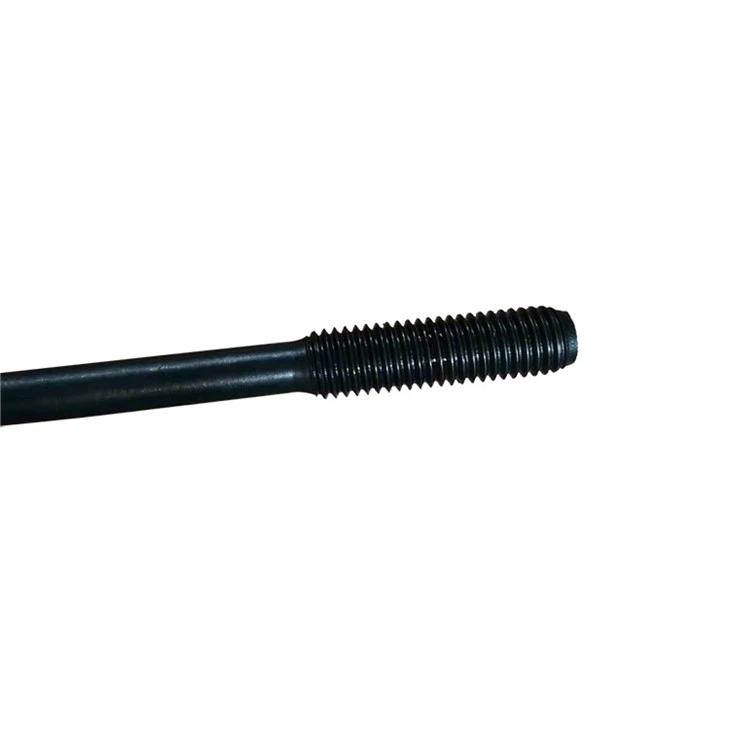
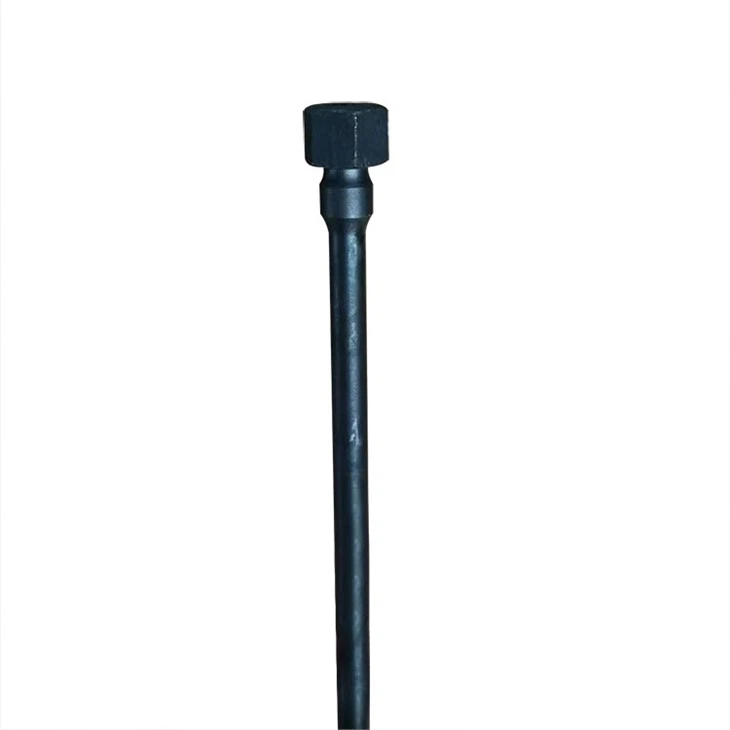
It's important to note that the choice of FL912 Piston Pin model also depends on its compatibility with other engine parts. For example, if you're using a Deutz F3L912 Air Cooled Engine Camshaft 04237171, you need to make sure that the piston pin you choose is compatible with the camshaft's operation. The same goes for other parts like the Deutz FL912 Intake & Outlet Valve and Cylinder Head Bolts.
Cost Considerations
Cost is always a factor when choosing a FL912 Piston Pin. Basic models are generally more affordable and are a good choice for budget - conscious customers. However, if you're looking for high - performance and long - lasting pins, you'll likely have to pay a bit more. The cost also depends on the material, manufacturing process, and any additional features like special coatings.
How to Choose the Right Model
When it comes to choosing the right model of FL912 Piston Pin, you need to consider your specific needs. If you're using the engine for normal, everyday use, a standard model will probably do the job. But if you're involved in high - performance applications, you'll want to invest in a more advanced model.
It's also a good idea to consult with an expert or someone with experience in engine parts. They can give you valuable advice based on your engine's specifications and your performance requirements.
Conclusion
In conclusion, the differences between different models of FL912 Piston Pins are quite diverse. From the materials and manufacturing processes to the dimensions, surface finish, performance, and compatibility, each model has its own unique features. Whether you're looking for a basic, cost - effective pin or a high - performance one for a specialized application, there's a model out there for you.
If you're in the market for FL912 Piston Pins or have any questions about which model is right for you, don't hesitate to reach out. We're here to help you make the best choice for your engine. Let's start a conversation and find the perfect piston pins for your needs!
References
- Engine Parts Handbook
- Automotive Engineering Journals