
Hey there! As a supplier of water pump assemblies, I've seen all sorts of issues that can pop up with these crucial components. One problem that often flies under the radar but can cause a whole heap of trouble is a loose belt on a water pump assembly. So, let's dig into what the impact of a loose belt really is and why it's something you should never ignore.
1. Reduced Efficiency
Let's start with the basics. The belt in a water pump assembly is like the workhorse that transfers power from the engine to the water pump. When the belt is loose, it slips a bit as it turns. This slippage means that not all of the engine's power is effectively transferred to the water pump. As a result, the water pump can't spin as fast or as efficiently as it should.
Think of it like trying to ride a bike with a loose chain. You're pedaling (the engine doing its thing), but because the chain isn't tight, the wheels aren't getting the full force of your pedaling (the water pump not getting all the power it needs). This reduced efficiency can lead to less water being circulated through the engine cooling system. And when the coolant isn't flowing properly, the engine can start to overheat.
2. Overheating Issues
Overheating is one of the most serious consequences of a loose belt on a water pump assembly. The water pump's main job is to keep the coolant moving through the engine, absorbing heat and then dissipating it through the radiator. When the belt is loose and the water pump isn't working efficiently, the coolant flow slows down.
As the coolant flow decreases, the engine temperature starts to rise. If this overheating issue isn't addressed quickly, it can cause some major damage to the engine. Parts can warp, gaskets can fail, and in the worst - case scenario, you might end up with a cracked engine block. Trust me, dealing with engine overheating is a headache you don't want to have.
3. Noise and Vibration
Ever been in a vehicle or around machinery with a loose belt on the water pump? It's not a pleasant sound. A loose belt will often make a screeching or squealing noise as it slips on the pulleys. This noise is not only annoying but also a clear sign that something is wrong.
In addition to the noise, you might also notice increased vibration. The belt's slipping and uneven movement can cause vibrations that can be felt throughout the system. These vibrations can put extra stress on other components in the water pump assembly and the surrounding parts. Over time, this stress can lead to wear and tear on bearings, seals, and other important parts, potentially leading to more frequent breakdowns and costly repairs.
4. Premature Wear and Tear
A loose belt also causes premature wear on both the belt itself and the pulleys. When the belt slips, it rubs against the pulleys in an uneven way. This uneven friction creates extra heat and wear on the belt material. The belt starts to fray, and its lifespan is significantly reduced.
The pulleys aren't spared either. The constant rubbing from the loose belt can cause the pulley surfaces to wear down. As the pulleys wear, they become less smooth, which in turn makes the belt slip even more. It's a vicious cycle that can quickly lead to the need for replacement of both the belt and the pulleys.
5. Impact on Related Components
The problems caused by a loose belt don't stop at the water pump assembly. The reduced coolant flow and increased vibrations can have a ripple effect on other parts of the engine. For example, the radiator may not be able to cool the coolant effectively if there isn't enough flow. This can lead to the radiator working harder and potentially failing prematurely.

The engine oil can also be affected. When the engine overheats, the oil can break down faster, losing its lubricating properties. This can cause more friction between engine parts, leading to additional wear and tear.
Solutions and Maintenance
Now that we've seen the impacts of a loose belt, what can you do about it? Well, regular maintenance is key. You should check the belt tension regularly as part of your routine service. Most vehicle and machinery manufacturers provide guidelines on the proper tension for the water pump belt.
If you notice that the belt is loose, you can usually adjust the tension by moving the water pump or an idler pulley. However, if the belt is worn, frayed, or cracked, it's best to replace it right away. And don't forget to inspect the pulleys for wear as well. If they're damaged, it's a good idea to replace them at the same time to avoid future issues.
Our Product Offerings
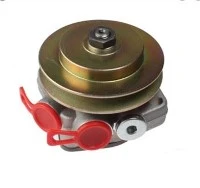
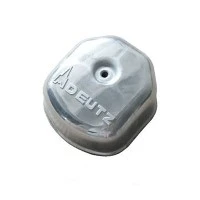
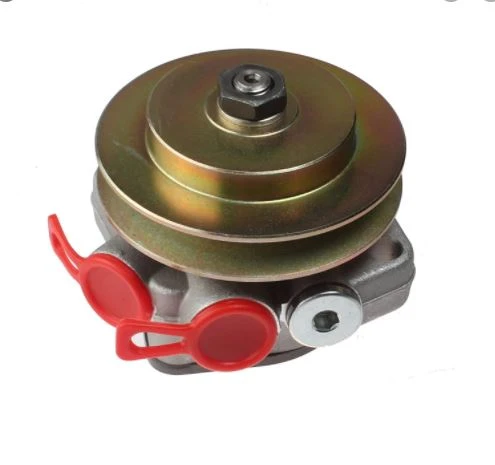
As a water pump assembly supplier, we offer a wide range of high - quality products to ensure your systems run smoothly. We also have related products that you might find useful. For instance, check out our BFM1013 Fuel Supply Pump, DEUTZ TCD 2013 L4 V4 Valve Cover Pad, and 04254556 Deutz BF4M2012 Oil Cooler Outer Shell. These parts are designed to work in harmony with your water pump assembly and other engine components.
Let's Connect
If you're in the market for a water pump assembly or any of the related products I mentioned, don't hesitate to reach out. We're here to help you find the right solutions for your needs. Whether you're dealing with belt issues or just want to upgrade your system, we've got you covered.
References
- Automotive Service: Inspection, Maintenance, Repair by Tim Gilles
- Machinery's Handbook by Industrial Press Inc.