
Air cooled engines are a remarkable piece of engineering, known for their simplicity, reliability, and efficiency. One of the key components that contribute to the proper functioning of an air cooled engine is its air ducting system. In this blog post, we'll delve into what the air ducting system of an air cooled engine is, how it works, and why it's so important. As a leading Air Cooled Engine supplier, we have in - depth knowledge of these systems and are excited to share it with you.
Understanding the Basics of an Air Cooled Engine
Before we dive into the air ducting system, let's briefly understand what an air cooled engine is. Unlike water - cooled engines that use a liquid coolant to dissipate heat, air cooled engines rely on air flowing over the engine's external surfaces to remove heat. This makes them lighter, more compact, and often more suitable for applications where a liquid cooling system would be impractical, such as small motorcycles, lawnmowers, and some aircraft.
What is the Air Ducting System?
The air ducting system of an air cooled engine is a set of components designed to direct and control the flow of air around the engine. It ensures that the right amount of air reaches the critical parts of the engine, such as the cylinders and the cylinder heads, to maintain optimal operating temperatures.
The air ducting system typically consists of several parts:
- Air Intake: This is the point where air enters the system. It's usually located in a position where it can draw in clean, cool air. For example, in a motorcycle, the air intake might be positioned on the side of the bike, away from the hot exhaust and other heat - generating components.
- Ducts: These are channels that guide the air from the intake to the engine. Ducts are designed to minimize air resistance and ensure a smooth flow of air. They can be made of various materials, such as plastic, metal, or fiberglass, depending on the engine's requirements.
- Shrouds: Shrouds are used to direct the air over specific parts of the engine. They are often designed to create a high - velocity air stream that can effectively cool the engine. For instance, a shroud might be placed around the cylinders to ensure that air flows evenly over their fins, which are designed to increase the surface area for heat transfer.
- Fans: In some air cooled engines, fans are used to enhance the air flow. The fan can be driven by the engine itself or by an electric motor. Fans help to draw in more air and increase the cooling efficiency, especially at low speeds or when the engine is under heavy load.
How the Air Ducting System Works
The operation of the air ducting system starts with the intake of air. As the engine runs, it creates a low - pressure area around the air intake, which causes air to be drawn in. The air then travels through the ducts towards the engine.
Once the air reaches the engine, the shrouds direct it over the cylinders and cylinder heads. The fins on these components increase the surface area in contact with the air, allowing for more efficient heat transfer. The heated air then exits the engine area, making way for fresh, cool air to continue the cooling process.
If a fan is present, it helps to maintain a consistent air flow. At low engine speeds, when the natural air flow may be insufficient, the fan kicks in to provide the necessary cooling. This ensures that the engine operates within its optimal temperature range, regardless of the operating conditions.
Importance of the Air Ducting System
The air ducting system plays a crucial role in the performance and longevity of an air cooled engine. Here are some reasons why it's so important:
- Temperature Regulation: By ensuring a proper flow of air over the engine, the air ducting system helps to regulate the engine's temperature. Overheating can cause serious damage to the engine, such as warped cylinders, damaged pistons, and reduced lubrication. A well - designed air ducting system prevents these issues by keeping the engine cool.
- Efficiency: A good air ducting system improves the engine's efficiency. When the engine operates at the right temperature, it can burn fuel more effectively, resulting in better fuel economy and more power output.
- Reliability: An engine that is properly cooled is more reliable. It is less likely to experience breakdowns due to overheating, which means less downtime and lower maintenance costs for the user.
Our Product Offerings in Relation to Air Cooled Engines and Air Ducting Systems
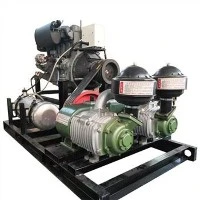
As an Air Cooled Engine supplier, we offer a wide range of products that are designed with efficient air ducting systems in mind. For example, our Diesel Engine With Clutch For Air Pump is engineered to ensure optimal air flow for cooling. The air ducting system in this engine is carefully designed to direct air over the critical components, keeping the engine running smoothly even under heavy loads.
We also have the DEUTZ F2L912 Low Power Diesel engine assembly. This engine features a well - thought - out air ducting system that maximizes cooling efficiency. The shrouds and ducts are designed to work in harmony to provide a consistent flow of air, ensuring that the engine maintains its performance over time.


In addition, our Deutz Air - Cooled And Water - Cooling Engine combines the benefits of both air and water cooling. The air ducting system in this engine is an integral part of the overall cooling strategy, working in conjunction with the water - cooling system to provide reliable and efficient cooling.
Contact Us for Your Air Cooled Engine Needs
If you're in the market for an air cooled engine or have questions about air ducting systems, we're here to help. Our team of experts has extensive knowledge and experience in air cooled engines and can provide you with the best solutions for your specific requirements. Whether you need an engine for a small - scale application or a more industrial use, we have the products and expertise to meet your needs.
Don't hesitate to reach out to us for a detailed discussion about your engine requirements and to start the procurement process. We look forward to working with you to find the perfect air cooled engine solution for your business.
References
- Heywood, J. B. (1988). Internal Combustion Engine Fundamentals. McGraw - Hill.
- Taylor, C. F. (1966). The Internal Combustion Engine in Theory and Practice. MIT Press.