
Hey there, gearheads and engine enthusiasts! I'm [Your Name], and I work as a supplier of engine fuel pumps. Today, I'm gonna walk you through the process of removing an engine fuel pump. It's a task that might seem daunting at first, but with the right tools and a bit of know - how, you can get it done.
First things first, safety is always the top priority. Before you even think about touching the fuel pump, make sure the engine is completely cool. You don't want to be dealing with hot components that could burn you. Also, disconnect the battery. This will prevent any electrical mishaps while you're working on the fuel system.
Now, let's talk about the tools you'll need. You'll need a set of wrenches, a socket set, and a fuel line disconnect tool. The fuel line disconnect tool is super important because it helps you safely remove the fuel lines without causing any leaks.
The first step in removing the fuel pump is to relieve the fuel system pressure. You don't want fuel spraying all over the place when you start disconnecting things. To do this, you can locate the fuel pump relay in the fuse box. Remove the relay and then start the engine. The engine will run until the fuel pressure in the lines is depleted, and then it will stall. This way, you've safely relieved the pressure.
Once the pressure is relieved, it's time to locate the fuel pump. In most vehicles, the fuel pump is located inside the fuel tank. You'll need to access the fuel tank, which might involve removing some panels or parts of the vehicle's undercarriage. Some vehicles have an access panel in the trunk or under the rear seat that makes it easier to reach the fuel pump.
After you've accessed the fuel pump, you'll see the fuel lines connected to it. Use your fuel line disconnect tool to carefully remove the fuel lines. Be gentle because these lines can be fragile. Also, have a container ready to catch any fuel that might drip out.
Next, you'll need to disconnect the electrical connections to the fuel pump. These are usually small connectors that can be easily unplugged. Just make sure you remember which connector goes where, so you can reconnect them correctly later.
Now, it's time to remove the fuel pump from the fuel tank. There are usually bolts or clips holding the fuel pump in place. Use your wrenches or socket set to remove these fasteners. Once the fasteners are removed, you can carefully lift the fuel pump out of the tank.
When you have the fuel pump out, take a good look at it. Check for any signs of damage, such as cracks or leaks. If you're planning to replace the fuel pump, this is a good time to install the new one. Make sure to follow the manufacturer's instructions for installation.
If you're just inspecting the fuel pump and plan to reinstall it, clean it thoroughly. You can use a fuel - system cleaner to remove any dirt or debris. After cleaning, reinstall the fuel pump in the reverse order of removal. Make sure all the connections are tight and secure.
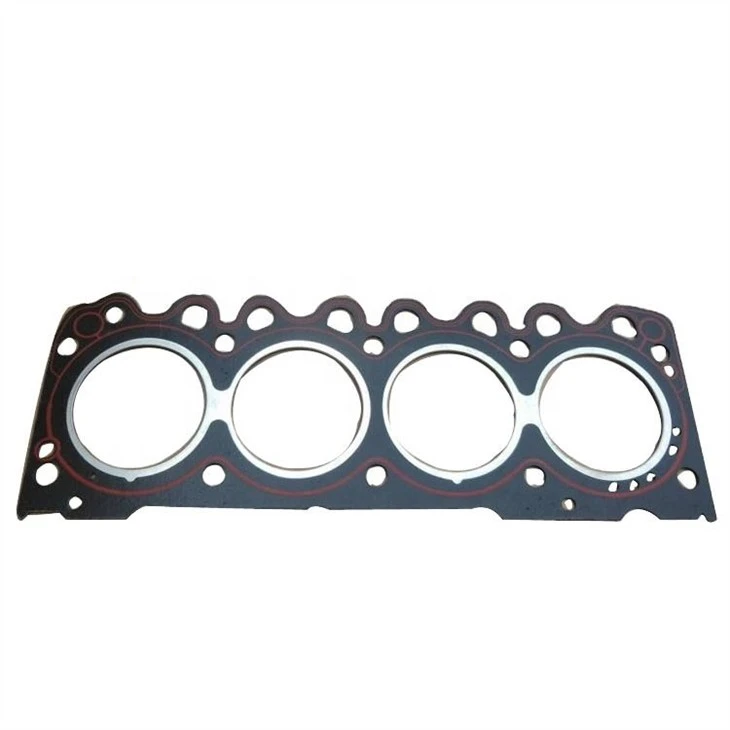
Now, let's talk about some related parts that might be of interest to you. If you're working on a Deutz engine, you might need some spare parts. For example, the Deutz Engine Cylinder Gasket BF4M1011 04271632 is an important part for the engine's cylinder. It helps to seal the cylinders and prevent leaks.
Another part you might need is the BF4L1011 Turbocharge. A turbocharger can boost the engine's performance by increasing the amount of air that enters the engine.
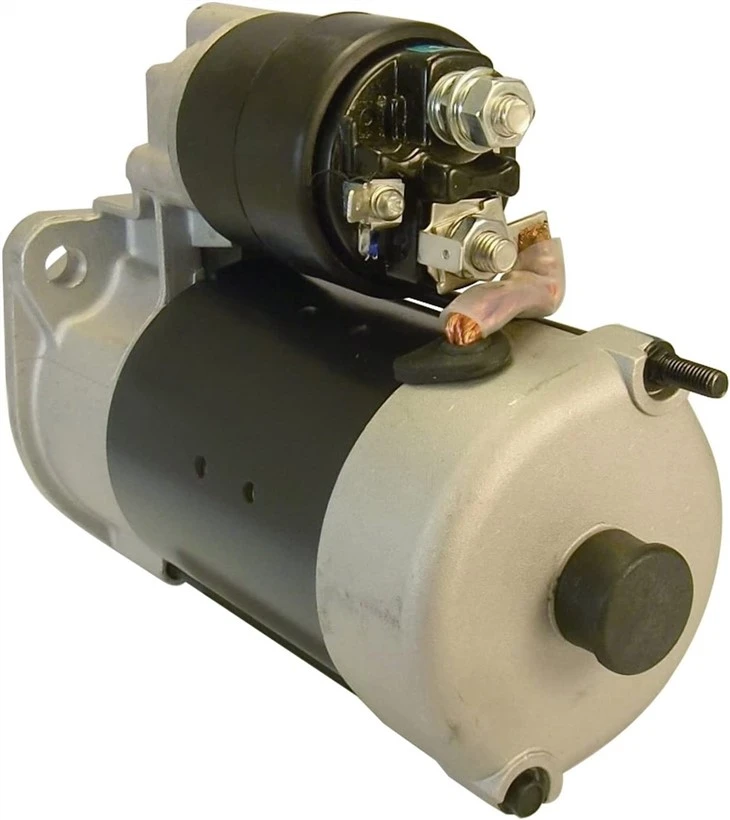
And if you're having trouble starting your Deutz engine, the Deutz Engine Starter Motor 01183599 F2L2011 could be the solution. It's responsible for cranking the engine and getting it started.
As an engine fuel pump supplier, I can offer you high - quality fuel pumps and other engine parts. Whether you're a professional mechanic or a DIY enthusiast, we've got the parts you need. If you're interested in purchasing any of our products or have any questions, feel free to reach out. We're here to help you keep your engine running smoothly.
Removing an engine fuel pump is a task that requires patience and the right tools. But if you follow the steps I've outlined, you should be able to do it without too much trouble. And if you need any parts or have any questions, don't hesitate to contact us.
References:
- Automotive Repair Manuals
- Manufacturer's Instructions for Engine Fuel Pumps